What players say
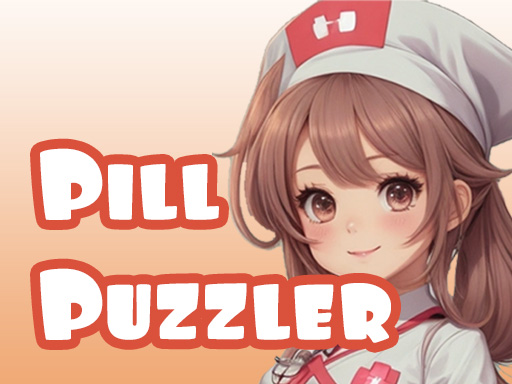
Pill Puzzler delivers a satisfying puzzle experience that is easy to learn but hard to master. The gradual increase in speed keeps each round fresh, encouraging repeated play to beat personal records. Its medical theme is presented in a fun, non-violent way suitable for all ages. The simple controls work flawlessly on any device. This game offers good replay value for anyone who enjoys brain teasers or sorting challenges.
About this game
Game Introduction
Puzzle Sorter Online Challenge is a 3D puzzle game that puts you in a medical setting where you manage the distribution of small, round items to patients. Each patient has a specific need, and your core objective is to quickly and accurately sort and deliver the correct quantities. The game offers a lighthearted way to exercise your brain and improve hand-eye coordination. It is suitable for both children and adults looking for a productive break or a fun mental workout.
How to Play
Players use their mouse or touchscreen to drag items from a supply area to patient slots. Each patient shows a number indicating how many items they need. Pay attention to colors and counts to avoid mistakes. The game rewards speed and accuracy with higher scores. As you advance, the pace increases, requiring sharper focus. There are no complex rules or instructions to memorize. Simply sort and match as fast as you can. Practice helps improve your performance and beat your previous high score.
Game Features
This game features fast-paced sorting gameplay that challenges focus and reflexes. Simple drag-and-drop controls work on desktop and mobile. Increasing difficulty keeps the game engaging over time. Colorful, family-friendly graphics with a medical theme are included. There are no time limits or penalties for mistakes, encouraging relaxed play. The game is free to play with no downloads or registration required.
Tips for Success
To improve your performance, focus on accuracy before speed. As you get comfortable with the controls, gradually increase your pace. Pay close attention to the numbers displayed by each patient to avoid errors. Practice regularly to sharpen your reaction time and pattern recognition. Taking short breaks can help maintain concentration during longer sessions. Finally, try to beat your own high score to track your progress.