Reviews
Puzzle Paradox: The Missing Game turns a simple premise into an engaging experience. The narrator's constant denial of the game's existence creates a running joke that never gets old. Puzzles are well-designed and reward creative thinking, while the retro pixel art adds charm. It's a short but satisfying journey that respects the player's intelligence and sense of humor.
Description
The Central Gimmick
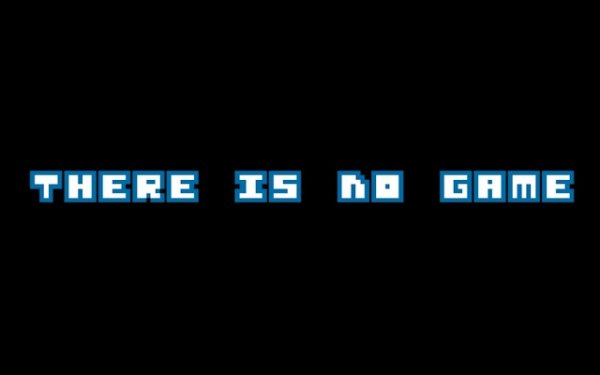
Puzzle Paradox: The Missing Game builds its entire experience around a playful contradiction. A voice-over insists that no game exists, yet the screen presents a world filled with interactive objects and mysteries to unravel. This creates a unique tension where the player must prove the narrator wrong by solving puzzles that often break traditional rules. The humor comes from this constant back-and-forth, making each solution feel like a small victory against a stubborn guide.
Interaction and Experimentation
Players use a mouse or touch input to examine the environment. The cursor changes shape near usable items, encouraging clicks and drags on anything that looks out of place. Some puzzles require combining objects in unexpected ways, while others demand moving items across different screens using navigation arrows. The key is to try every possibility, as the game hides clues in plain sight and rewards those who think laterally.
Visual Style and Atmosphere
The pixel art graphics evoke classic computer games from the 1990s, with a bright color palette and simple but expressive character sprites. The narrator’s dialogue appears in text boxes that complement the retro aesthetic. This visual approach keeps the focus on the puzzles and humor rather than complex animations, creating a relaxed pace that suits the game’s thoughtful challenges.
Pacing and Progression
Puzzles are arranged in a sequence that gradually increases in complexity. Early challenges teach basic interaction patterns, while later ones require multi-step solutions and careful observation. The narrator’s comments serve as both hints and distractions, adding a layer of misdirection that players must learn to see through. There are no timers or penalties, allowing players to think at their own speed and revisit earlier areas when stuck.
Replay Value
Because many puzzles have alternative solutions or hidden interactions, replaying the game can reveal new jokes and shortcuts. The meta nature of the experience means that knowledge from a first playthrough can change how the story is perceived. This encourages multiple sessions to catch all the subtle references and to see how the narrator reacts to different player choices.



03 Comments
Sign in to comment
You must be logged in before posting a review or rating.
No account? Create one
No comments yet. Be the first to comment!